EASE, Dave Remedios

Strategic Design  ·  Project 01

EASE

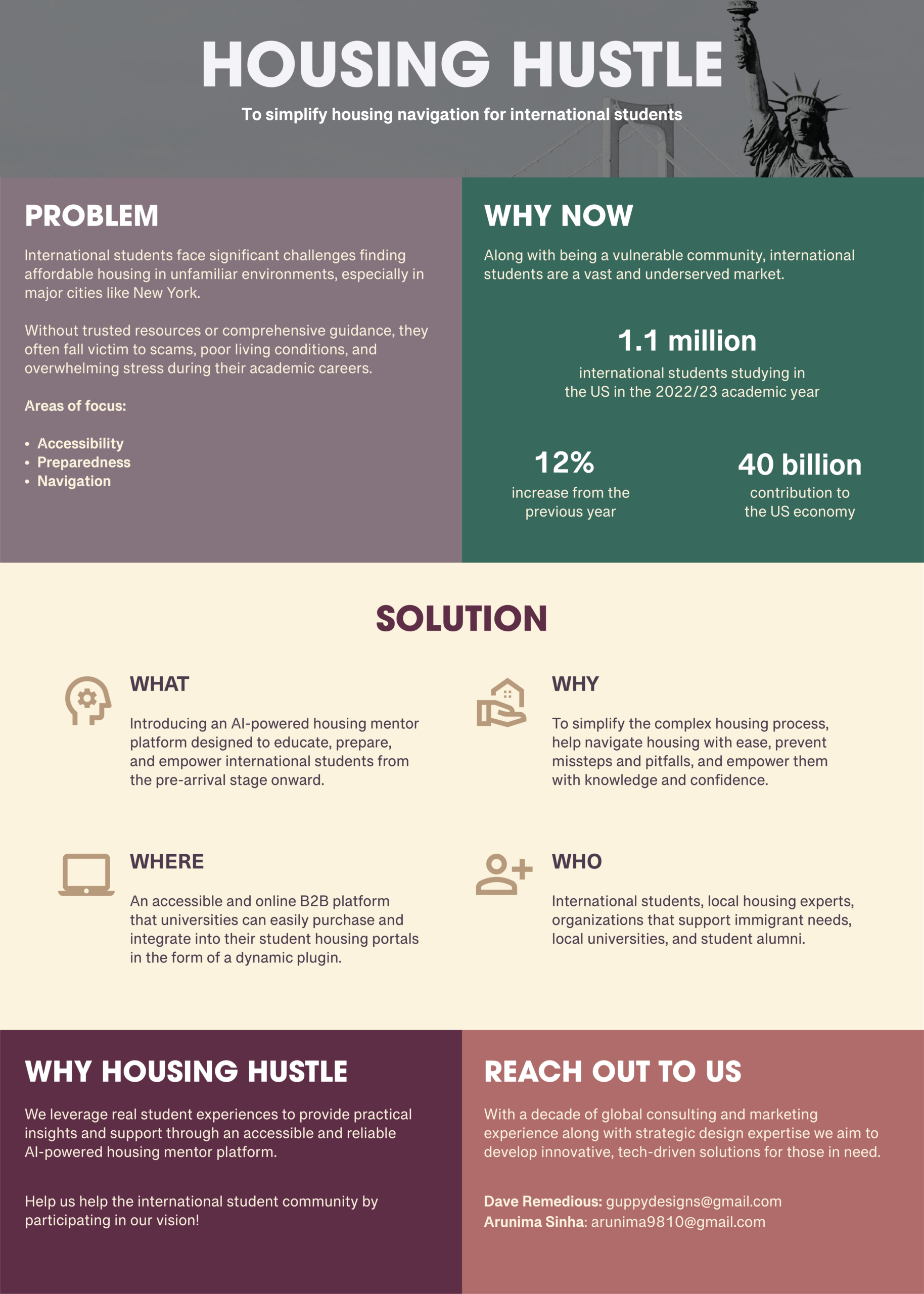
An AI-powered digital companion for international students navigating housing, relocation and life in a new country, designed to turn overwhelming transitions into confident, informed decisions.

Project Details 01

Role

UX Designer & Design Strategist

Skills

UX Research Design Strategy User Testing Wireframing Prototyping Figma Adobe CC

Challenge

Develop an end-to-end design process, from ideation to implementation, for a platform serving international students, using mixed-method research and iterative testing.

Client

US-based universities, with potential to scale globally to institutions supporting international students.

Team

Dave Remedios & Arunima Sinha

Year

2025  ·  Parsons School of Design, NY

Type

Capstone Project

Institution

Parsons School of Design, NY

Disciplines

Service Design · UX Research · AI · Strategy

Duration

Jan – May 2025

Project Overview

Your go-to companion
for life abroad

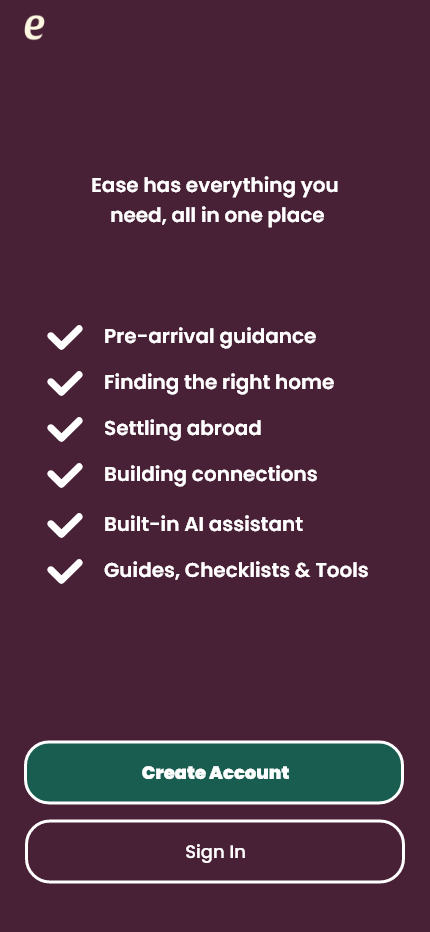
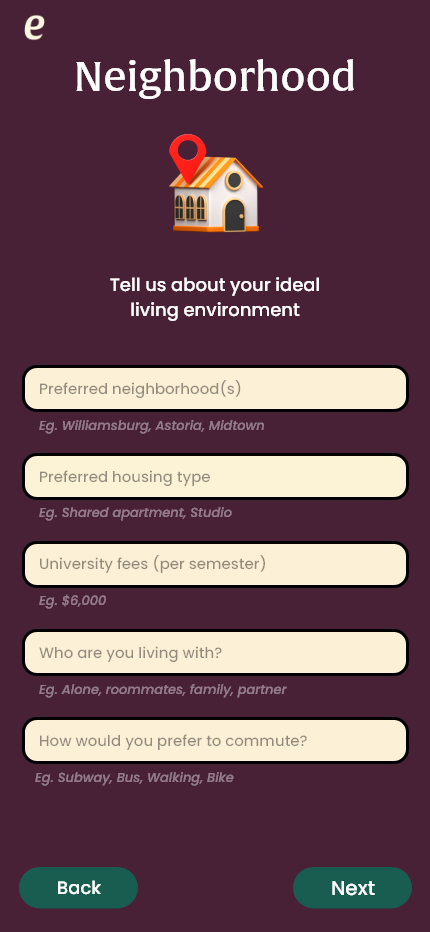
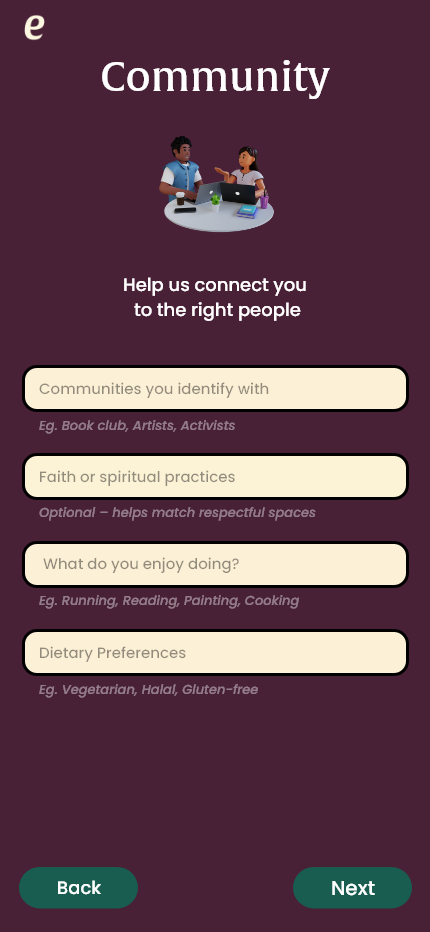
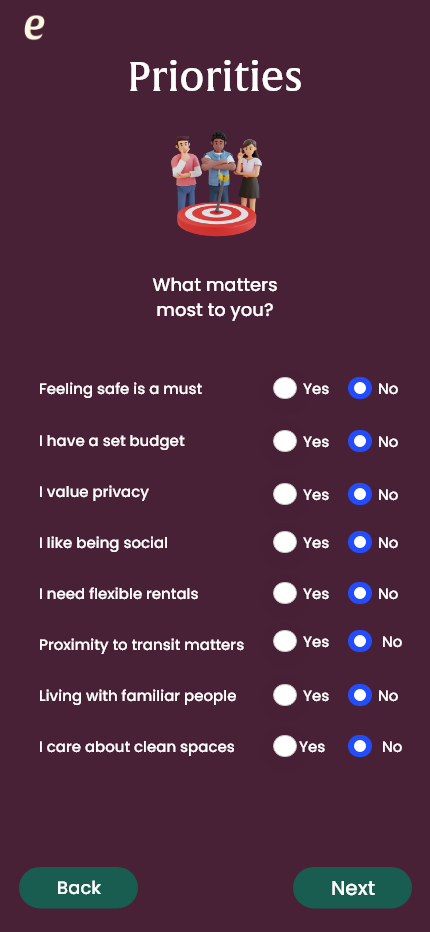
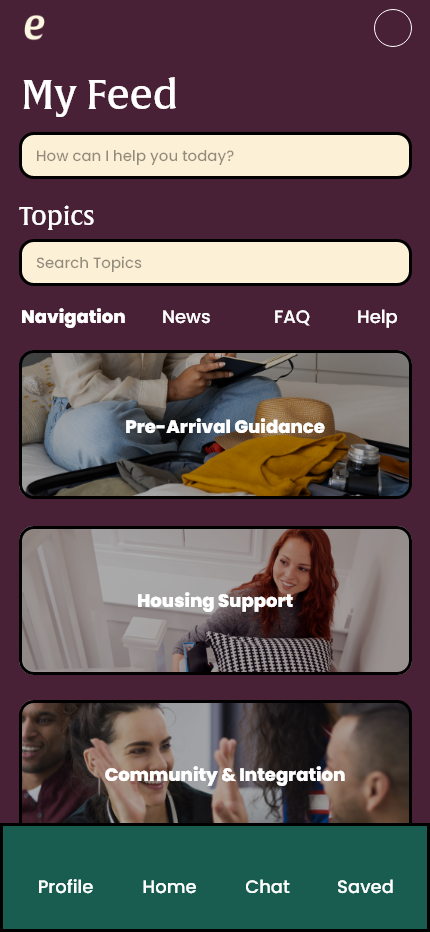
EASE is a digital platform built for international students, delivering personalised, step-by-step guidance that turns overwhelming transitions into confident and informed decisions. Designed as our final-year capstone at Parsons, it addresses a gap that affects over a million students every year.

9:41●●●
e
ease
Splash
9:41●●●

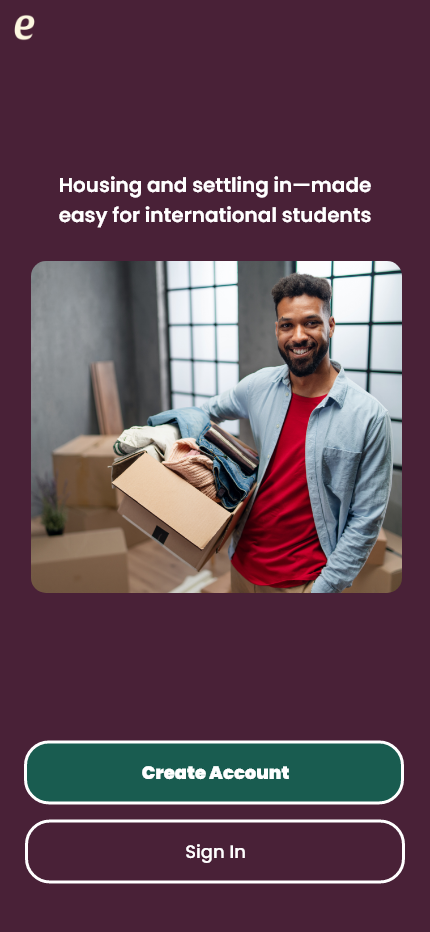
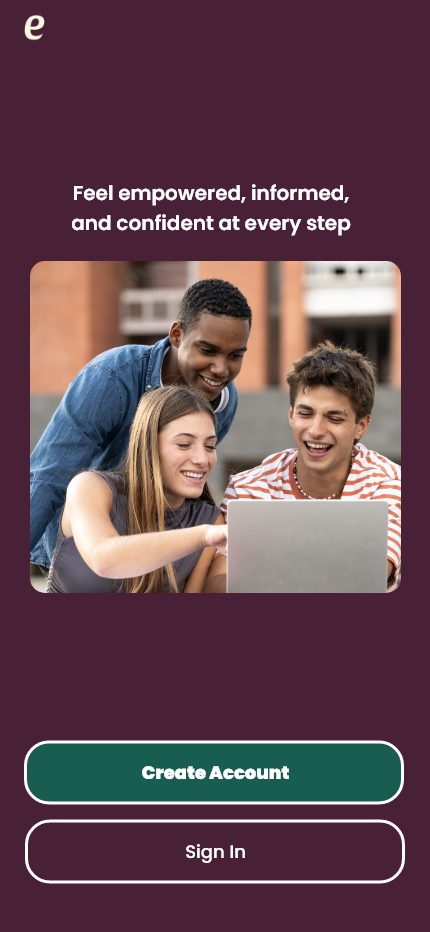
Arrive confident and
stress-free in advance.

Get curated housing
that fits your needs.

Connect with peers
and mentors nearby.

Features
9:41●●●
Get Started
Login
Onboarding
9:41●●●
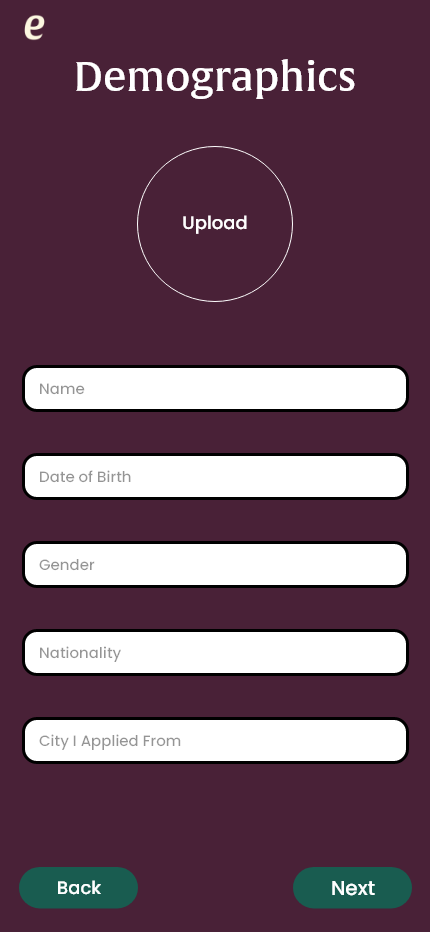
Would you like to set up your profile now?
You can always do this later.
Yes, let's do it
Set it up later
Profile
9:41●●●
My top priority
Select all that apply
Housing
Budget
Community
Healthcare
Visa
Banking
Next
Priorities

Key Features

1
N

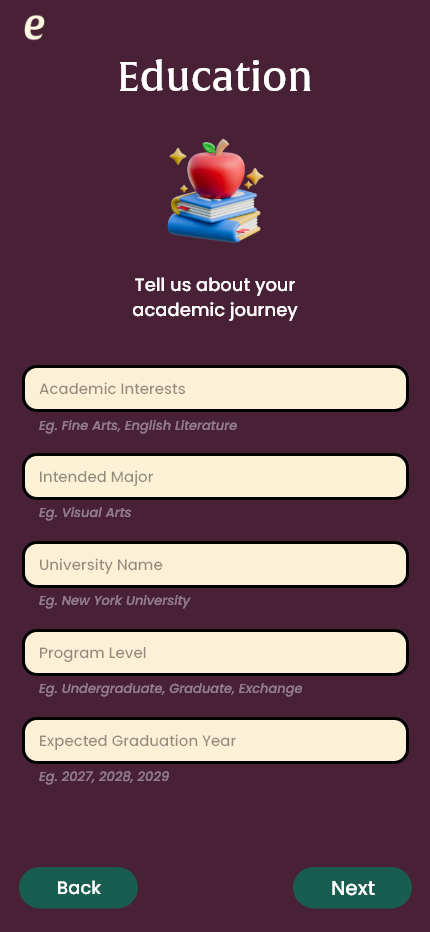
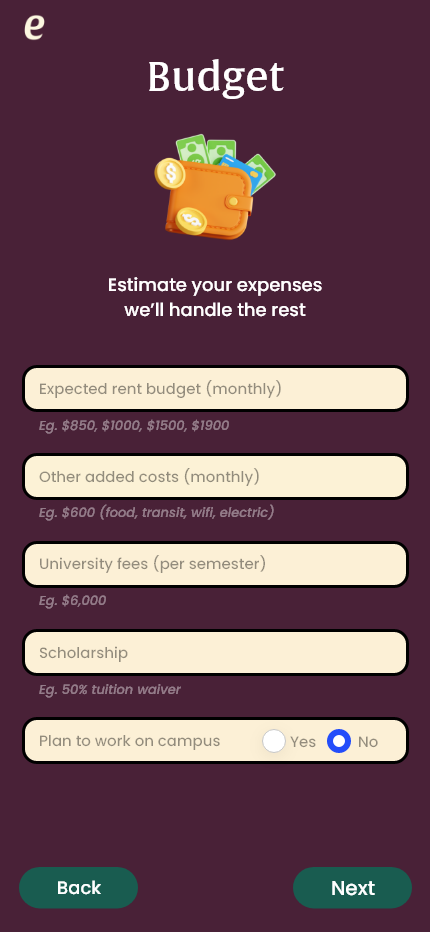
Personalised OnboardingTailored guidance based on your city, university and personal priorities

2
1 2 3

Step-by-Step RoadmapEight structured steps to help you acclimate at your own pace

3

Local ResourcesAccess to essential services, healthcare, transport and community connections

4 Key Feature

3 Personalised Housing OptionsCurated housing matches based on your preference history, budget, location and lifestyle

5

Community BuildingConnect with alumni, peers and mentors who've already made the journey

6

AI Chat AssistantPersonalised help whenever you need it, 24/7 support right inside the app

The Origin

It started with
a visit to a friend

We walked into a small apartment in New Jersey, shared by a group of Indian students, and were struck by how much they'd had to figure out alone. Housing, finances, basic services. With limited information and no real support system, they made it work. But at a real cost. That conversation sparked everything.

Why does starting a new chapter have to feel like a struggle? With the right guidance, real support and a welcoming community, this experience could be better, easier, smoother and more empowering.
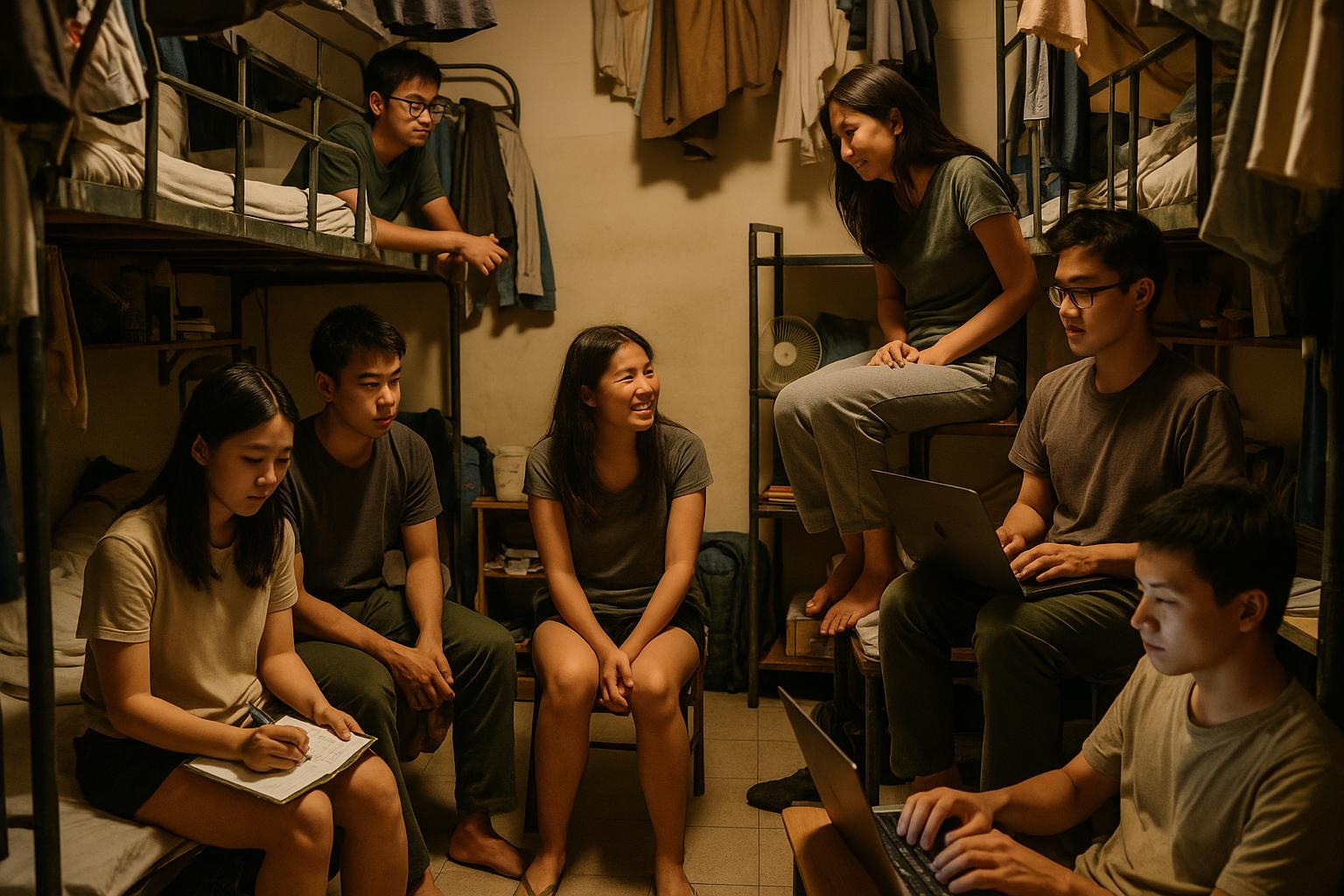
Student housing conditions
The moment that started it all, NJ, 2024

The Problem at Scale

A problem hiding
in plain sight

The United States hosts more international students than any other country, yet the systems designed to support them are fragmented, generic and largely inaccessible.

15.3M

Students enrolled in US higher education, Spring 2025, a record high that continues to grow year on year

3.2M

International students studying in the US in 2024–2025, navigating relocation with little to no coordinated support

~$250B

Estimated contribution of international students to the US economy, a population that remains deeply underserved

Understanding the Pain Points

What students
actually face

Lack of timely support

Critical guidance arrives too late, often after students have already made costly decisions about housing, finances and logistics.

?

Generic information

Existing resources are one-size-fits-all. Students from different countries, with different budgets and universities, need different answers.

Survival mode

Students forced to navigate uncertainty alone often end up making rushed, uninformed decisions under anxiety and stress.

The Guiding Question

"How might we support international students in navigating life abroad through tailored guidance and community-driven support systems that make transitions and daily living less overwhelming?"

Design Process

From idea to
working platform

An end-to-end double diamond process, built on mixed-method research, rapid prototyping and iterative testing.

Discover & Define
Ideate & Prototype
Test & Analyse
Refine & Deliver
DIVERGE CONVERGE DIVERGE CONVERGE
1
2
3
4
5
6
7
8

Discover

Understand the problem through research and lived experience

InterviewsSecondary research

Define

Synthesise findings into a clear problem statement

Affinity mappingHMW

Ideate

Generate concepts through workshops and brainstorming

BrainstormingMind mapping

Prototype

Build lo-fi and hi-fi mockups to make ideas tangible

Lo-fi wireframesFigma prototype

Test

Validate designs with real users through usability sessions

Usability testingThink-aloud

Analyse

Interpret findings and prioritise improvements

Thematic analysisJourney mapping

Refine

Iterate on designs to sharpen clarity and usability

Design iterationsPeer review

Deliver

Present the refined prototype and strategic recommendations

Final prototypeCase study

Concept Testing

Validate before
you build

Before writing a single line of code, we distributed a one-page concept brochure to a diverse group of stakeholders, American and international students, faculty, university administrators and real estate agencies. We then ran a participatory workshop with students from eight countries to define the most critical features.
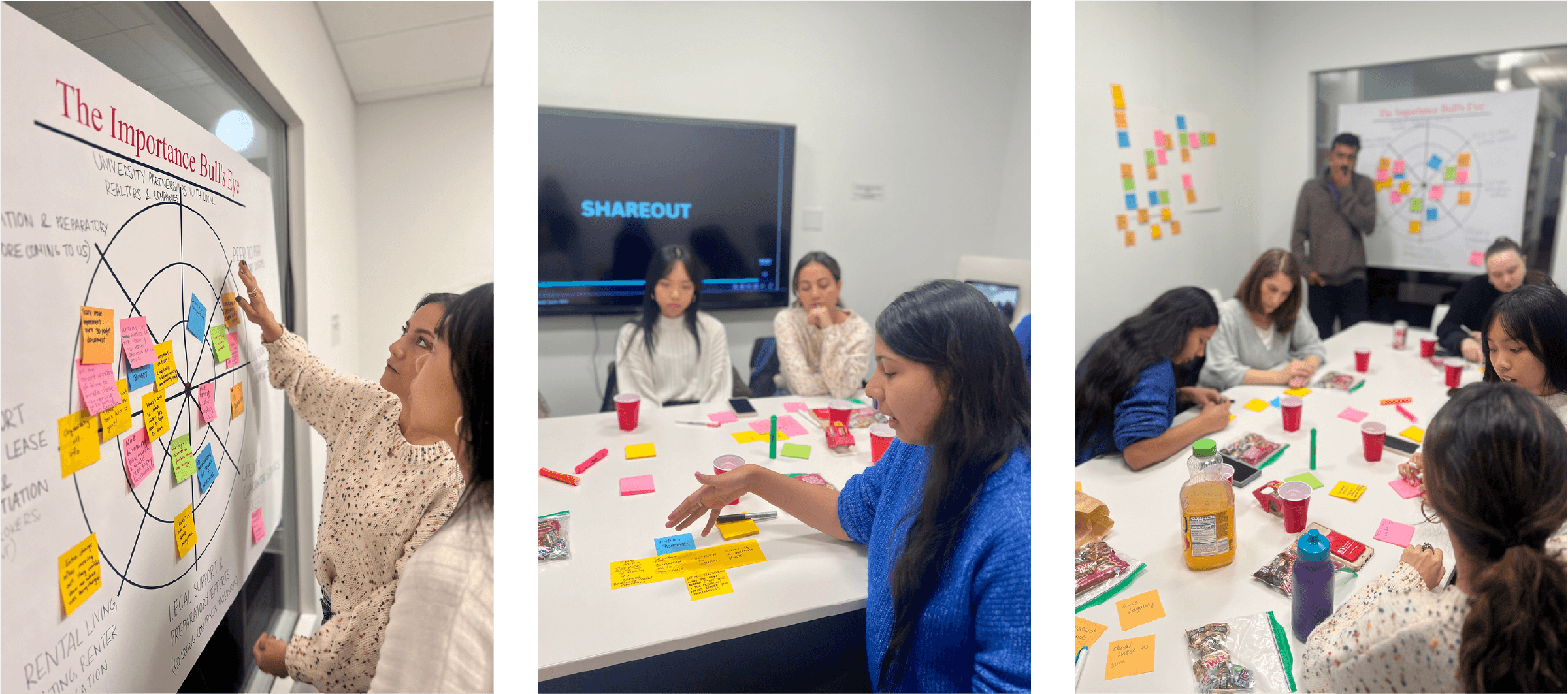
Workshop session
Participatory workshop, students from 8 countries

The One-Pager

EASE concept one-pager
EASE concept one-pager, distributed to 50+ stakeholders

"

By having somebody who is already in the city, a kind of mentor who has traveled this path before and is willing to help, could be a real game changer.

International Student, New York  ·  Design Strategist

Secondary Research

Understanding
the landscape

An extensive landscape analysis mapped the competitive environment and identified potential collaborators for EASE at various stages, helping us sharpen our unique position in the market.

Competitive landscape analysis

Platform
Pre-arrival
Personalised
AI-guided
Community
Housing
EASE
Zillow
Campus Logic
~
~
Intl. Student App
~
Uni. Portals
~
Yes ~ Partial No

Potential collaborators mapped by role and stage

Technology
OpenAI / AnthropicAI recommendation engine
Google Maps APILocation & housing data
StripePayments & subscriptions
Academic
Parsons / The New SchoolResearch & pilot testing
Intl. student officesInstitutional distribution
NAFSAIndustry credibility
Real estate
Student housing providersVerified listings feed
Local real estate agenciesMarket intelligence
Roommate platformsCommunity matching
Funding & growth
Ed-tech acceleratorsStartup development
Impact investorsSeed funding
Alumni networksMentors & ambassadors

PESTEL analysis, EASE

P

Political

  • US student visa policies (F-1, J-1) directly affect enrollment volumes and student mobility
  • Growing government scrutiny of international student programmes creates uncertainty
  • University federal funding tied to international student support outcomes
  • Bilateral education agreements between the US and key origin countries (India, China, South Korea)
E

Economic

  • International students contribute ~$40B+ annually to the US economy, a high-value segment
  • Rising tuition and living costs increase demand for affordable housing and financial guidance
  • Currency fluctuations impact students from emerging markets, affecting spending power
  • Ed-tech investment growing, strong appetite from VCs for student-facing platforms
S

Social

  • Cultural isolation and mental health challenges prevalent among first-year international students
  • 3.2M+ international students seeking community, belonging and peer support on arrival
  • Growing multicultural campus environments creating demand for cross-cultural connection tools
  • Social media demonstrates students actively seeking peer advice, community-driven behaviour
T

Technological

  • AI personalisation capabilities now mature enough to deliver tailored student guidance at scale
  • Mobile-first behaviour among 18–24 year olds makes app-based delivery optimal
  • Mapping, payments and communication APIs reduce development cost and time-to-market
  • Data privacy regulations (FERPA, GDPR) require careful handling of student personal data
E

Environmental

  • Climate-related campus disruptions (wildfires, flooding) affect student housing availability
  • Growing sustainability expectations from Gen Z students influences platform values and design
  • Remote and hybrid learning patterns post-COVID alter traditional relocation needs
  • Urban density in key student cities (NYC, Boston, LA) intensifies housing competition
L

Legal

  • FERPA compliance required for any platform handling student educational records
  • Fair housing laws govern how housing recommendations can be made and filtered
  • Consumer protection regulations apply to any financial or housing guidance features
  • University partnership agreements require clear data governance and liability frameworks

Differentiating Factors

What sets
EASE apart

While other platforms offer fragmented, post-arrival support, EASE is built around three core differentiators.

Pre-arrival guidance

A personalised step-by-step roadmap that starts before students even board the plane, covering visa preparation, housing shortlists, financial setup and pre-departure checklists tailored to their specific city and background.

AI-personalised8-step roadmapPre-departure

Housing support

Three AI-curated housing options matched to the student's budget, lifestyle preferences and proximity to campus, cutting through the noise of generic listings to surface genuinely relevant, verified options with direct contact routes.

3 matched optionsVerified listingsBudget-matched

Community & integration

A peer and alumni network that connects new students with people who have already navigated the same transition, offering mentorship, cultural orientation, local tips and a genuine sense of belonging from day one.

Alumni mentorsPeer groupsLocal events

Business model canvas, EASE

Key Partners

  • US universities & colleges
  • Student housing providers
  • AI infrastructure (OpenAI / Anthropic)
  • Real estate agencies
  • Ed-tech accelerators
  • Alumni networks

Key Activities

  • AI model training & curation
  • Platform UX design & iteration
  • University partnership development
  • Community building & moderation
  • Content localisation by city

Value Proposition

  • Personalised pre-arrival guidance for international students
  • AI-curated housing options matched to preferences
  • Step-by-step relocation roadmap in 8 stages
  • Community connection with peers & alumni
  • Reduces overwhelm, cost and wasted time
  • University-backed trust and credibility

Customer Relationships

  • Personalised onboarding journey
  • AI chat assistant (24/7 support)
  • Peer & alumni community
  • University-verified content
  • Push notifications & reminders

Customer Segments

  • International students (primary)
  • Domestic students relocating for college
  • US universities (B2B)
  • Student housing providers
  • Graduate & postdoctoral researchers

Key Resources

  • AI model & student preference data
  • Figma design system & prototype
  • University partnership agreements
  • Housing & services database
  • Research findings (8 countries)

Channels

  • University international offices
  • Mobile app (iOS & Android)
  • Student community platforms
  • Social media & referral
  • Ed-tech conference presence

Cost Structure

  • AI API & infrastructure costs
  • Platform development & hosting
  • Partnership & BD operations
  • Marketing & community growth
  • Legal, compliance & data governance

Revenue Streams

  • B2B SaaS licensing to universities
  • Housing referral commissions
  • Premium student subscriptions
  • Sponsored local service listings
  • Anonymised data insights (opt-in)

Project Planning

A built-in
rapid response system

Each function was broken into deliverables, mapped against timelines, milestones, risks and exit strategies. For every function we planned five scenarios, from very positive to very negative, creating a development matrix that served as live risk management throughout the project.

Functional breakdown plotted over time

Function
Research
Define & HMW
Concept testing
Data & AI
Wireframing
Usability
Refinement
Jan
Feb
Mar
Apr
May
Desk research · interviews
Pain points · HMW
Brochure · workshop
Data · AI training
Lo-fi · architecture
Workshop · synthesis
Iterate
Milestone

Developmental matrix, 5 scenarios per function

Function
Very Positive
Positive
Neutral
Negative
Exit Strategy
Research
Rich insights, deep student empathy, accelerate to ideation phase
Strong data with minor gaps, proceed with supplementary interviews
Adequate findings, extend timeline, add secondary sources
Low response rate, pivot to desk research, revise recruitment
Insufficient data, rely entirely on published studies and secondary research
Concept Testing
Strong stakeholder validation, proceed to prototyping with confidence
Positive feedback with minor revisions, refine messaging and feature scope
Mixed responses, conduct further HMW sessions before proceeding
Concept rejected, revisit problem framing and retest revised concept
No viable concept, pivot to narrower problem space, restart ideation
AI Data Curation
High accuracy, strong personalisation, scale data collection immediately
Good performance, refine model with additional student preference inputs
Acceptable outputs, simplify AI scope, increase training data volume
Poor accuracy, reduce complexity, implement rule-based fallback logic
AI not viable, replace with curated static content and manual curation
Prototype & UX
Intuitive flow, users independent, advance to hi-fi design and visual system
Minor friction points, iterate on navigation structure and onboarding copy
Functional but unclear, simplify IA, add contextual tooltips and labels
High drop-off, return to wireframe stage, retest with restructured flows
Core UX unviable, reduce to single critical path, rethink information architecture
Usability Testing
High task completion, positive sentiment, minimal changes, prepare delivery
Good outcomes with targeted issues, prioritise fixes and run second round
Usable but not intuitive, restructure key screens, conduct expert review
Significant confusion, halt, rebuild affected flows, retest with new participants
Platform not usable, descope to core MVP, focus on single user journey only
Partnerships
University pilot confirmed, tech partner secured, accelerate to launch phase
Informal interest from institutions, formalise agreements, build credibility deck
Limited traction, extend outreach timeline, leverage Parsons alumni network
No institutional buy-in, pivot to direct student outreach, explore B2C model
No partners available, launch as independent tool, self-fund pilot through grants

Data Curation

Training an AI with
real student data

We sent carefully crafted questions to students across eight countries to collect preference data. This was fed into an AI model trained to extract relevant information based on user inputs, then rigorously tested for accuracy against real student needs before being integrated into the platform.

AI data output pipeline

Student input

Preferences from 8 countries via structured survey

Data cleaning

Responses structured, normalised and tagged

AI model

Extracts personalised guidance from student inputs

Accuracy testing

Validated against real student needs

Personalised roadmap

8-step plan per student, city and priorities

Pre-arrival insights form

Customised Roadmap

Eight steps to
feeling at home

The AI-curated data translates into a personalised roadmap, eight steps tailored to each student's background, budget and destination city.

ease 01 02 03 04 05 06 07 08 Pre-arrival Housing Finances Arrival Campus Community Navigation Thriving 01Pre-arrivalplanningVisa, documents& pre-departure 02Housingsecured3 AI-matchedoptions for you 03FinancialsetupBank, budget& financial admin 04Arrival &orientationFirst 72 hours ,SIM, transport 05CampusessentialsID, library,healthcare 06CommunityconnectionPeers, clubs,alumni mentors 07LocalnavigationGrocery, transport,local tips 08Settled &thrivingReview journey,ongoing support

Design System

Brand identity &
visual language

EASE's visual identity is built on warmth, clarity and cultural openness, designed to feel welcoming to students arriving somewhere unfamiliar.

e #3D1A2E Maroon
e #1D5D51 Teal
e #6C606B Mauve
e #2F3241 Navy

Colour palette

Maroon
#3D1A2E
Ink
#1A1814
Teal
#1D5D51
Mauve
#6C606B
Navy
#2F3241
Gold
#C8A96E
Cream
#F7F4EF

Typography

Aa

Cormorant Garamond

Display · Headings · 300 Light Italic

Aa

DM Sans

Body · Labels · 300 / 400 / 500

Aa

Manrope

UI · Navigation · 300 / 400 / 500

Aa

Inter

Data · Micro-copy · 300 / 400

Information Architecture

Structuring the
user journey

Before wireframing, we mapped the full information architecture, every screen, content node and navigation path, to ensure the platform felt intuitive from the very first tap.

ease
Onboarding
Welcome
Background
Priorities
Profile setup
Dashboard
Roadmap view
Resources
Alumni connect
Search
Housing
3 matched options
Filters & map
Save & compare
Contact agent
Community
Alumni mentors
Peer groups
Events
Messages
AI Assistant
Chat
Recommendations
Quick answers
History
Profile
Settings
Preferences
Progress
Notifications

User feedback insight

"Financial Documents or Visa Appointment might not be self-explanatory for new users, a brief contextual tooltip would really help."

Led to the addition of inline info icons throughout the onboarding flow

Lo-Fidelity Prototype

Wireframing
the user flow

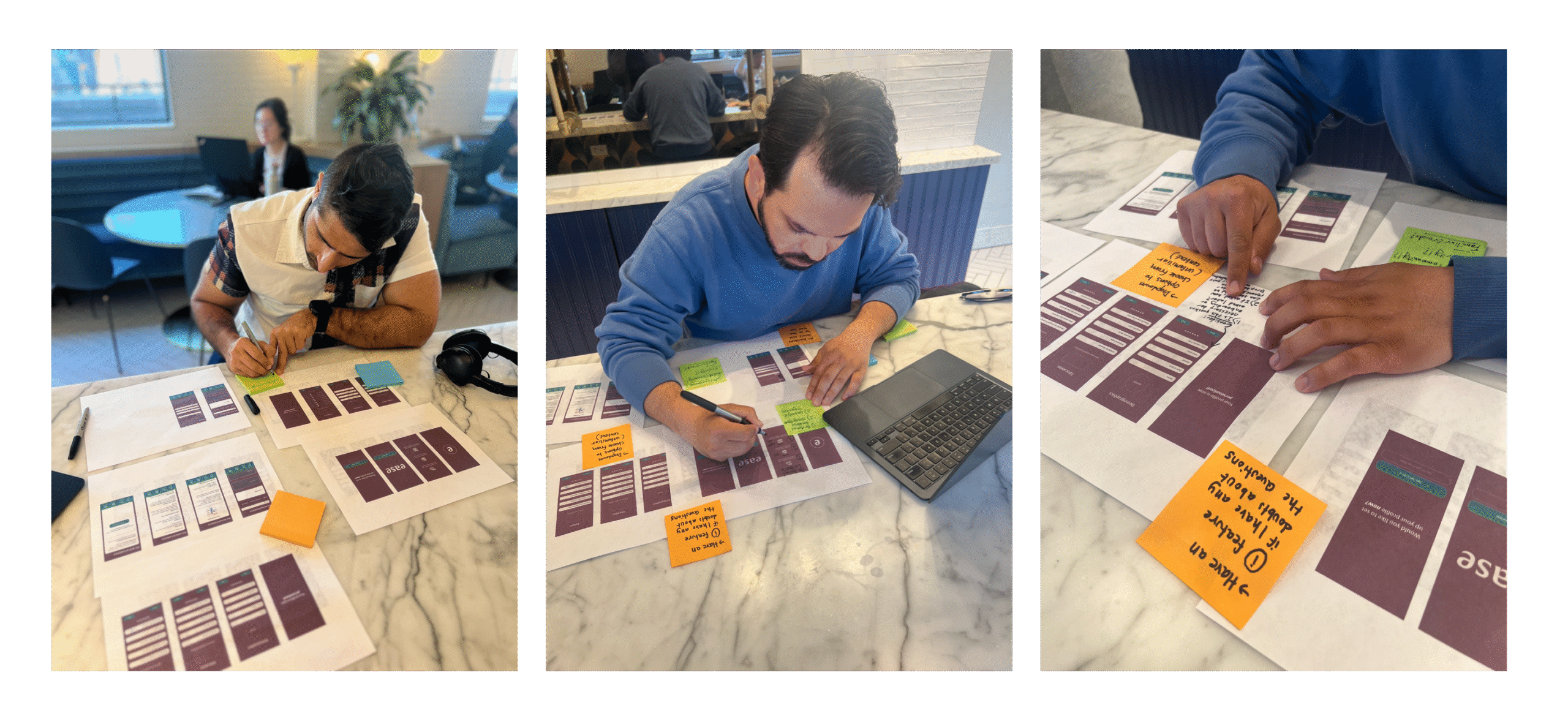
With the information architecture mapped and the guiding question locked, we wireframed the core user journey, sketching every screen and decision point before committing to any visual direction.
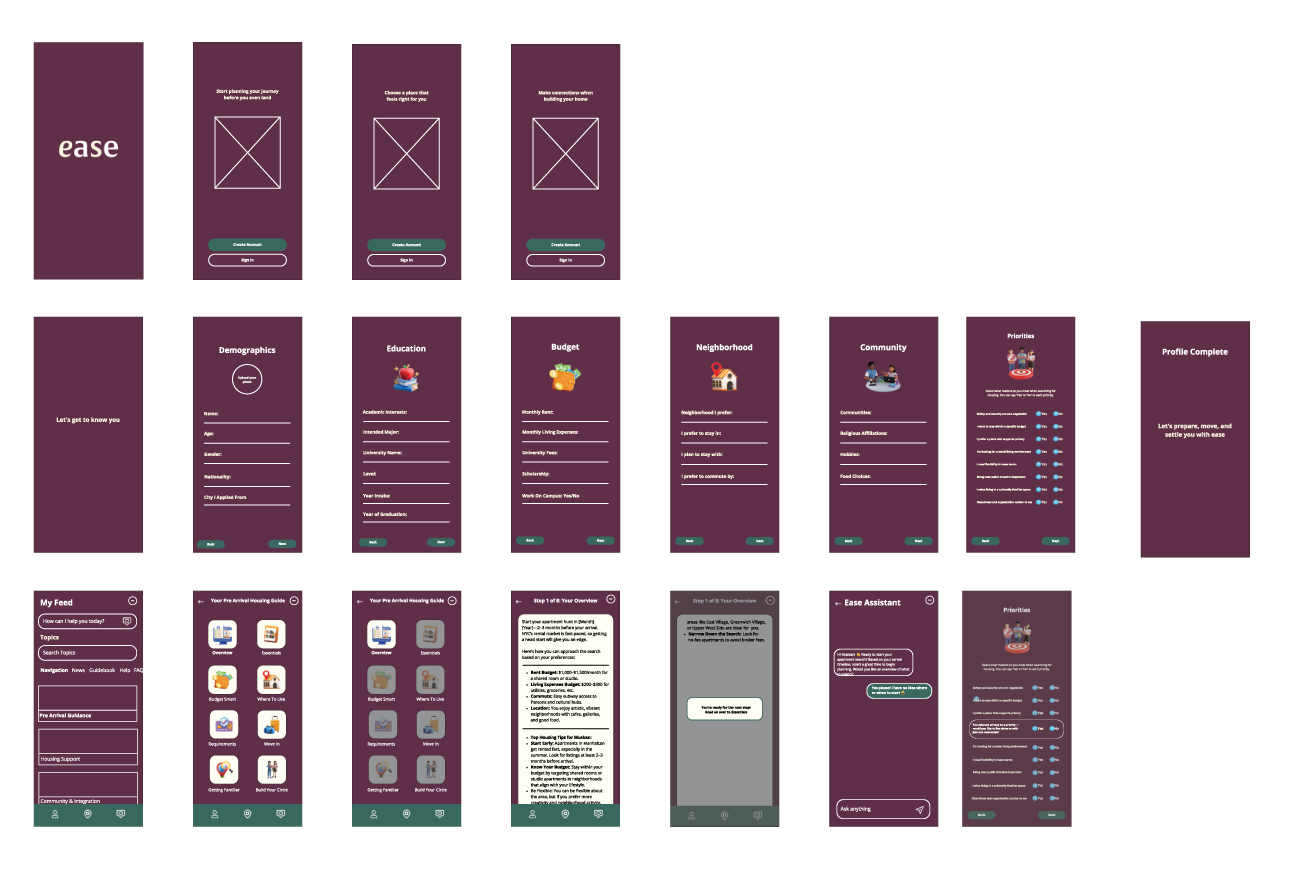
Lo-fi wireframes, EASE core user journey
Lo-fidelity wireframes, core user journey mapped across all key screens

Usability Testing

Testing with
real users

A hands-on usability workshop validated the UX and AI guidance, measuring how intuitively students navigated the platform and whether the content felt genuinely relevant to their situation.

Usability testing workshop, May 2025

Task
Success metric
Method
Outcome
01Complete onboarding
Task completed without prompting
Think-aloud + screen observation
✓ 8/10 participants completed unaided
02Find 3 housing options
Locate & shortlist within 3 minutes
Task timing + click-path recording
✓ Avg. 2:14, under target
03Access the roadmap
Navigate to step 3 from dashboard
Observation + verbal confirmation
⚠ 3 users confused by dashboard layout
04Use AI assistant
Ask a question and evaluate response
Post-task rating (1–5 scale)
✓ Avg. rating 4.2 / 5, relevant & helpful
05Connect with alumni
Find & initiate contact with a mentor
Think-aloud + path analysis
⚠ Feature discovery needed improvement
06Understand visa terms
Correctly explain F-1 key requirements
Post-task quiz + verbal debrief
✓ 9/10 correct, info icons effective

Participant feedback and synthesis

Usability testing session
Testing session , May 2025

Refined Prototype

Listen carefully,
then redesign

Workshop feedback drove targeted refinements, simplifying onboarding, adding contextual info icons, and strengthening the AI personalisation layer. Every change was evidence-based and re-tested before delivery.

9:41
Welcome

Screen 1 / 13

01

Welcome

Opening screen introducing EASE to the incoming student.

01
02
03
04
05
06
07
08
09
10
11
12
13

Social Impact

Designed for
real-world change

Belonging

EASE helps international students feel at home in a new country, fostering emotional comfort and cultural belonging, critical for mental well-being.

Community

By connecting users to alumni, peers and resources, EASE reduces isolation and creates cross-cultural bridges that enhance mutual understanding and empathy.

Confidence

Personalised onboarding and step-by-step guidance help students feel more capable and self-reliant, turning uncertainty into agency from day one.

Marketing Website

Building the
early community

Following prototype testing, we designed a lightweight marketing website to begin user recruitment, inviting prospective students to sign up and join the early-access testing cohort before the platform launches.

Sign-up form capturing student background and interests

Waitlist-based onboarding to manage early cohort growth

University partnership deck for institutional co-launch

Early access, sign up if interested
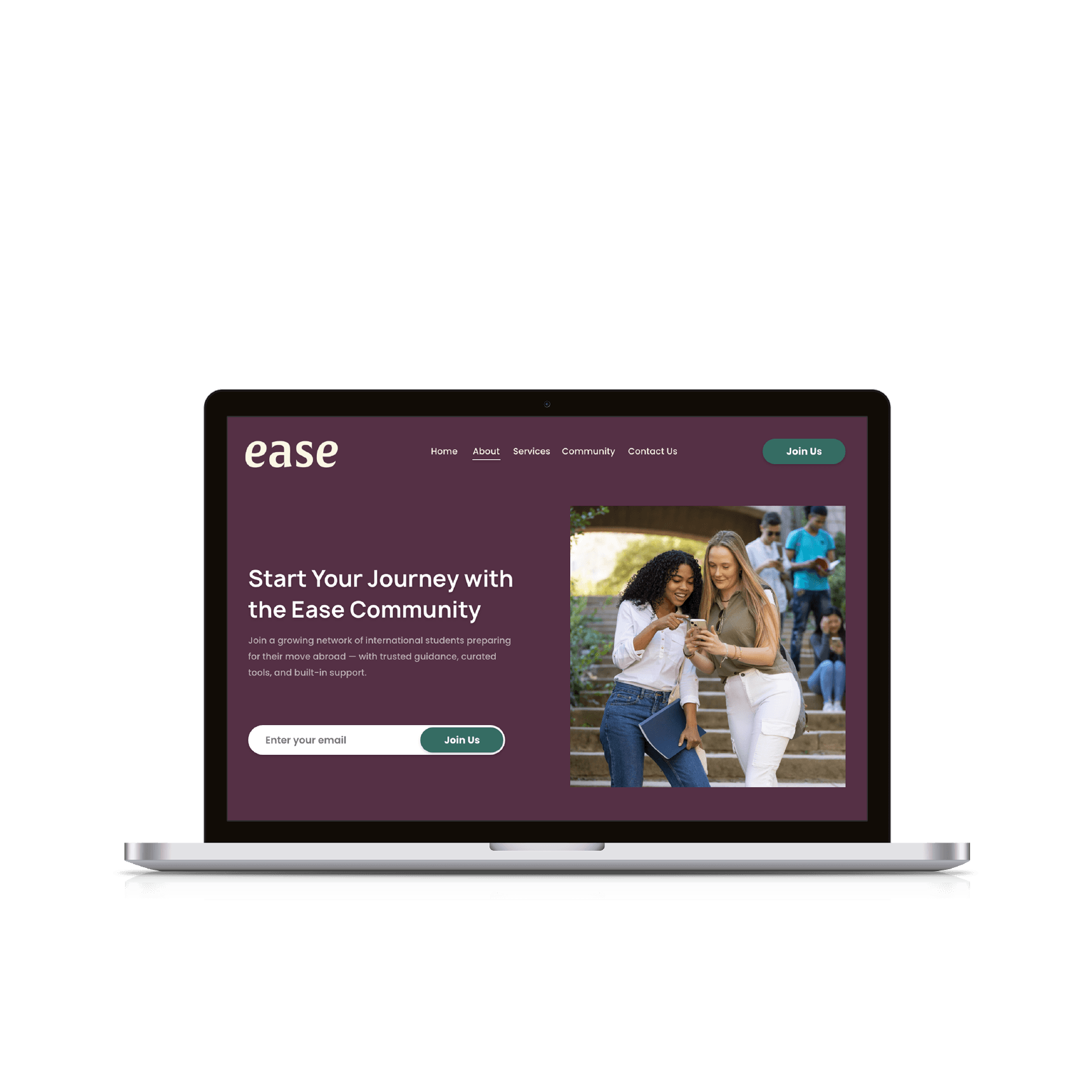
EASE marketing website concept
Marketing website, user testing & onboarding

Next Steps

What
comes next

01

Partnerships

Secure technical and academic partners to support development and deployment

02

User Onboarding

Begin outreach to student communities for early adoption and feedback

03

Mentorship

Guidance from AI experts, ed-tech and international student service specialists

04

Refine MVP

Finalise the minimum viable product based on advisor and early-user feedback

05

Pilot Launch

Beta test with a partner university to validate features and gather data

Scroll to Top